

Amoeba Sisters Immune System Worksheet

Y'all might already know that our immune systems play an integral part in fighting off sickness and infection, just they really exercise much more than than that. Your immune system is a quite complex and highly important function of your body that's constantly working to keep yous in optimum wellness.
The more you know near your immune system and how it works, the more than capable you'll be when it comes to keeping it in peak shape and ensuring that you stay healthy for years to come. To get started, learn almost the different parts of your immune arrangement, how it works, how to keep it working properly — and what happens with a disordered immune arrangement.
At that place'southward a variety of subsystems making upward your overall immune system, and they all work together to protect your body from illness. The offset layers of defense are the physical barriers that separate your inner organs from the exterior world. These include your skin, the walls of your gut and the linings of your lungs. Often these barriers are toxic to microorganisms or likewise difficult for pathogens to penetrate. Various secretions, such equally mucus, tears, breadbasket acid and sweat, too have antimicrobial properties, ridding your body of germs earlier they accept a gamble to get within.
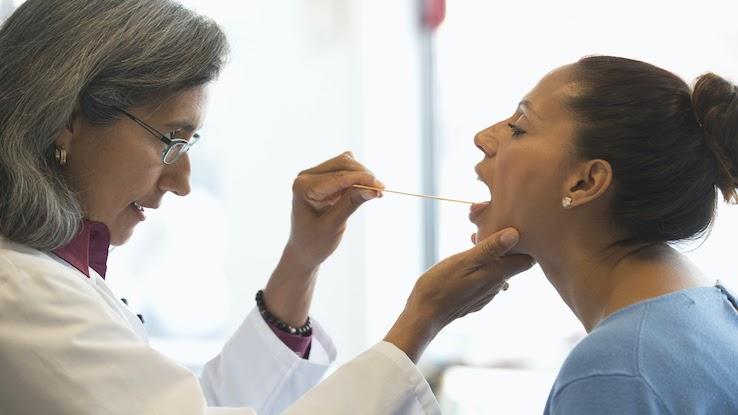
Your body as well produces physiological phenomena such as cough and sneezing, which are primitive reflexes that human activity to forcefully expel irritants from your body. Diarrhea in response to an ingested pathogen is your torso's fashion of rapidly getting rid of the offending organism.
The Innate Immune System
This organisation is the first layer of defence that comes into play when a pathogen (such as a bacteria, virus or fungus) penetrates the physical barriers and enters your body. This system acts inside hours to recruit immune cells to the site of intrusion via specific chemical messengers. This activates arriving allowed cells to remove foreign substances and activate your adaptive immune arrangement.
The cells involved in the innate immune response include phagocytes. These are specialized cells that recognize patterns that are common to pathogens, known as "antigens." Phagocytes engulf the offending intruder, killing it off using a process of digestion. In one case the pathogen has been killed off or "neutralized," the phagocyte ofttimes displays fiddling bits of the offender on its surface to alert other immune cells.
Neutrophils are another type of white blood cell that contain toxic granules. They're "recruited" to the site of infection, where they demark to and kill off pathogens past releasing their toxic granules. Neutrophils are the most abundant white blood cell, and your trunk produces over 100 billion of them every day.
A system known equally the complement organisation is a series of chemical reactions that tin "tag" pathogens for destruction, recruit more immune cells to the site, direct kill pathogens and remove dead cells. The innate immune system acts rapidly, but it does non form a memory of the pathogen.
The chemicals, chosen cytokines, released during the immune response are responsible for the characteristic signs of inflammation: heat, redness, swelling and pain. They likewise enhance your trunk temperature in an attempt to make your body less hospitable to pathogens.
The Adaptive Immune Organisation
Your adaptive allowed arrangement produces a stronger and more specialized response. Notwithstanding, it relies on other cells "tagging" or "presenting" foreign or harmful microbes to it in order to function. Thus, it takes this system a petty more time to boot in. The main cells in the adaptive immune system are lymphocytes — B cells and T cells — which merely recognize an intruder as harmful if it has been properly "presented" to them. When they do recognize a harmful pathogen, they undergo rapid expansion, producing thousands and thousands of the same cell.
T cells are known for rapidly attacking pathogens and releasing cytokines. This procedure contributes to overall control of the rest of your immune system. B cells notably produce antibodies, which are matched to specific pathogens. Antibodies lock onto those harmful cells when detecting them. This alerts other immune cells to the pathogens and signals that the pathogens are something that should be destroyed.
In one case the infection has been cleared, some of the B and T cells persist as memory cells. These keep looking for that same pathogen and will react rapidly to fight it off if they ever come across information technology once again.
Most of this immune activity is carried out in particular organs, such equally your lymph nodes and spleen. Immune cells also travel around your trunk, carrying out their duties past way of your lymphatic arrangement. This is a network of vessels around your whole torso. Allowed cells too tend to besiege in glands such as your tonsils, where they work together to eliminate infection. This is the reason you often become swollen glands when you have an infection; these glands are full of immune cells working hard to eliminate the threat.
Natural vs. Caused Immunity
Also coming into play with these responses is the difference between natural and acquired immunity. Natural immunity accounts for the types of diseases and infections that we're innately immune to. For instance, humans can't take hold of the virus that causes leukemia in cats. Some of these natural immunities, like amnesty to feline leukemia, are found in all humans. Other natural immunities are passed on during pregnancy or breastfeeding.
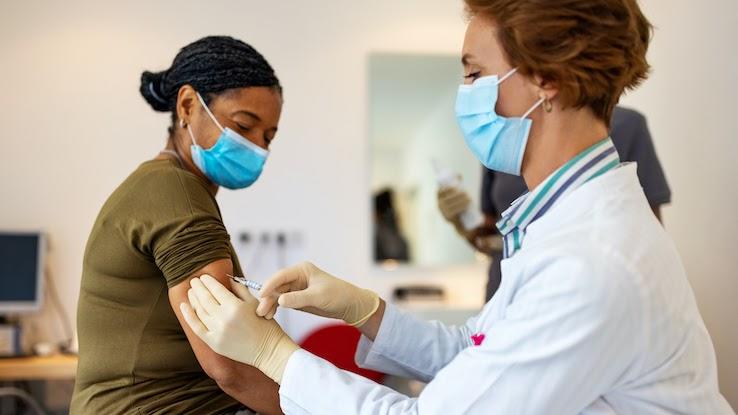
With acquired immunity, the exposure to a certain virus or infection allows your body to build up immunity to that pathogen. This is besides the type of immunity that doctors accept advantage of when giving vaccinations. By exposing people to a controlled amount of a virus or infection, their bodies are able to build up immunity to it and produce those all-important memory cells.
Keeping a Healthy Allowed Organisation
Because your allowed system is so vital to your health, it's important to take steps to ensure this system is functioning at optimum levels. Hither are a few like shooting fish in a barrel tips for keeping your immune system good for you:

- Swallow foods with vitamin C, vitamin E and probiotics to boost your immune system.
- Get plenty of rest.
- Become enough protein in your nutrition.
- Drink lots of h2o.
- Avoid too much sugar and caffeine.
- Get some exercise every solar day.
- Avoid unhealthy habits that weaken your immune system, like smoking and drinking excess alcohol.
Immune System Disorders
There are several disorders of the immune organisation that can bear on your wellness. Some occur naturally, while others arise due to certain health circumstances. The post-obit are the most common types of immune system disorders.

Allergies: Allergic reactions consequence from an error in your immune arrangement's response. These reactions arise when your immune organization mistakes a harmless substance, such as pet dander or certain food particles, as a threat to your body and starts to attack it. Allergies are characterized past loftier levels of a particular type of white blood cells called eosinophils.
Master Immunodeficiency Disorders: These develop when a role of your immune system isn't working correctly or isn't nowadays at all. Primary immunodeficiency disorders occur from nascency. The most common primary immunodeficiency is IgA deficiency, in which people's bodies don't produce enough of a type of immunoglobulin called IgA. This deficiency makes them more than susceptible to colds, respiratory infections and allergies.
Severe Combined Immunodeficiency (SCID): A much more serious, but incredibly rare, primary immunodeficiency disorder is SCID. In this condition, both B and T cells are missing, making it most impossible to fight off infections or viruses. This deficiency became known as "bubble boy disease" after a boy in Texas with SCID lived in a bubble to prevent infection and disease.
Secondary Immunodeficiency Disorders: These types of immunodeficiency disorders are caused at some point in an individual's life. Acquired immunodeficiency disorders ordinarily develop as a consequence of a person contracting a disease, just other medical issues may contribute to them besides. Acquired immunodeficiency syndrome (AIDS) is the most well-known secondary immunodeficiency disorder. It's acquired by the human immunodeficiency virus (HIV), which attacks a person'south T cells.
Autoimmune Disorders: An autoimmune disorder occurs when a person's immune organisation mistakes normal organs and tissues in their body for potential health threats and attacks those tissues appropriately. Lupus, scleroderma and Type 1 diabetes are just a few examples of this blazon of immune system disorder.
If yous have whatever concerns about your allowed organisation, including questions about vaccinations and allergies, it'due south helpful to schedule an appointment with your primary care doctor to get answers.
Resource Links:
https://medlineplus.gov/ency/commodity/000821.htm
https://geekymedics.com/immune-response/
https://openstax.org/books/anatomy-and-physiology/pages/21-1-anatomy-of-the-lymphatic-and-immune-systems
https://www.immunology.org/file/205/download?token=oayPn22Y
https://world wide web.niaid.nih.gov/enquiry/immune-arrangement-overview
https://www.niaid.nih.gov/enquiry/immune-organization-disorders https://www.cancerresearch.org/blog/apr-2019/how-does-the-immune-organisation-work-cancer

Amoeba Sisters Immune System Worksheet,
Source: https://www.thehealthfeed.com/healthy-living/what-how-does-immune-system-work?utm_content=params%3Ao%3D1668962%26ad%3DdirN%26qo%3DserpIndex&ueid=ce46ed89-ade3-4e12-a8d1-a1b82cc81ba6
Posted by: reyesfonse1937.blogspot.com
0 Response to "Amoeba Sisters Immune System Worksheet"
Post a Comment